SpaceX paves the way to sustainable space travel by catching returning rocket in mid-air
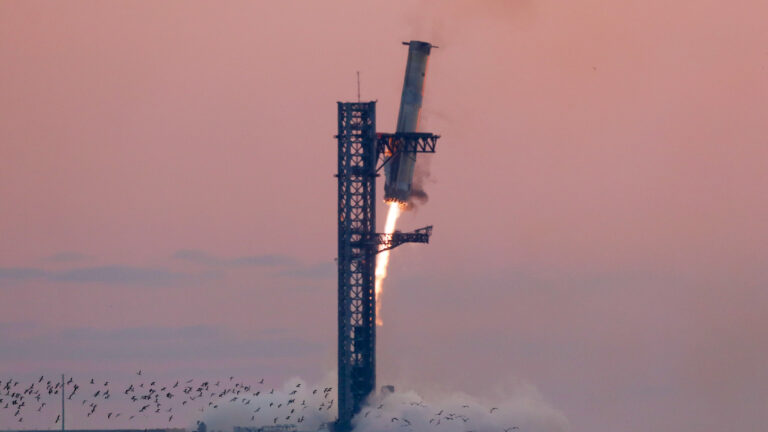
SpaceX paves the way to sustainable space travel by catching returning rocket in mid-air
If you ever thought catching a falling rocket out of the sky was the stuff of science fiction or a comic book fantasy, think again. The brain-trust at SpaceX has turned this fanciful idea into reality, pushing the boundaries of what is possible within the realms of space exploration and technology.
Turning a notion into reality
SpaceX, the pioneering aerospace manufacturer and space transportation company, is no stranger to audacious goals and visionary projects. Under the leadership of entrepreneur Elon Musk, SpaceX regularly pushes the envelope in the realm of technological advancement to make space travel more accessible and sustainable.
Recently, SpaceX performed an incredible feat by successfully catching a returning rocket in mid-air. This not only marked a new chapter in reusing rockets but also is considered a game-changer in reducing the cost of space travel. The method not only implies reduced costs but also increases the frequency of launching missions as recovering a rocket is time-effective.
How does SpaceX catch a returning rocket in mid-air?
The Falcon 9, SpaceX's flagship rocket, is designed with a reusability feature. After launching, it returns to Earth for a vertical landing, typically on a floating platform in the ocean. But the newly implemented method adds an additional possibility - the rocket's nose cone or 'fairing' (a technology to protect satellites during launch) falls back to Earth separately and is now also being caught mid-air.
These components fall back to Earth with the help of parachute systems and are then caught by a speedy ship named 'Ms. Tree' or 'Ms. Chief.' The ships have a large net constructed on them to catch the falling components.
As it is not possible to predict the exact landing location due to external factors such as wind, SpaceX has written advanced software algorithms to determine the path of the falling rocket component and direct the ship accordingly. This is a challenging task as both the rocket component and the ship move at high speed, and the synchronization of the two is key to success.
Why is this important?
The successful demonstration of this effort marks significant progress toward making space exploration a sustainable endeavor. By reusing these expensive components, SpaceX not only cuts down on manufacturing costs but also reduces the environmental impact of its operations. This is a crucial step towards SpaceX's vision for multi-planetary habitation - which demands a high rate, cost-efficient form of space travel.
A step towards the future
With each successful mission, SpaceX is proving that space travel can be efficient, sustainable, and cost-effective. Catching a returning rocket in mid-air and reusing it may seem like a minor step in the grand scheme of space travel. Still, it symbolizes the ambition and innovation which SpaceX is driving forward in our march to become a space-travelling species.
This bold approach to astronautics shows that our sci-fi fantasies can indeed become reality, and perhaps sooner than we think. Hats off to SpaceX and its relentless quest to turn the science fiction of today into the science fact of tomorrow. ```